

By Aurélie Leroy
Projects Reshaping Porte de la Chapelle
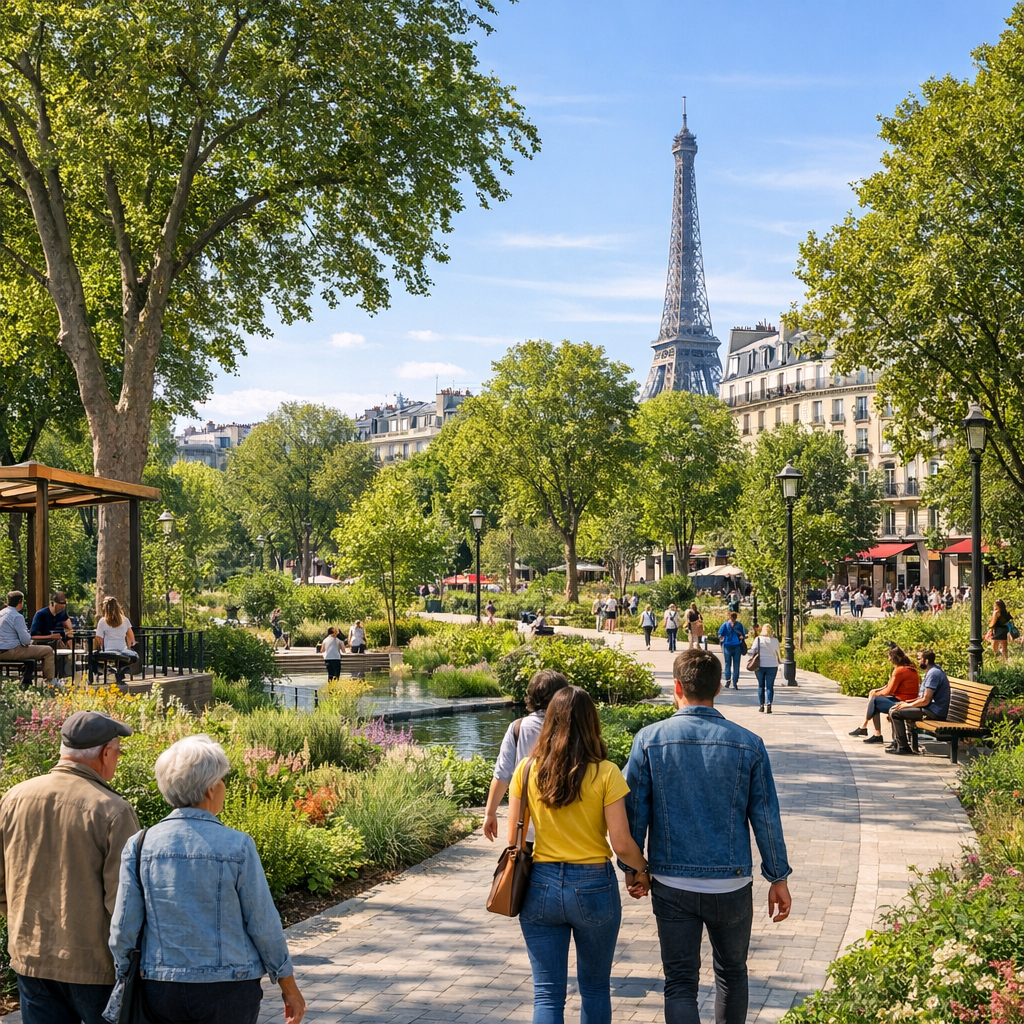
One of the most ambitious areas of change is Porte de la Chapelle in the 18ᵉ arrondissement. The arrival of the Campus Condorcet, the ongoing work at Gare des Mines-Fillettes and Hébert, and the transformation of the Chapelle-Marx Dormoy axis are part of a broader effort to renew infrastructure, develop green public spaces, and unite the neighbourhood both socially and economically. The new Chapelle Charbon park, along with the opening of the adidas arena, signal fresh communal hubs for residents.
Innovation in Parisian Quarters
The “Quartiers d’Innovation Urbaine” initiative is entering its latest phase with new solutions designed to meet local needs. For example, in Paris Rive Gauche (13ᵉ) and Chapelle-S (in the 18ᵉ-19ᵉ), laureate projects will tackle local food production, better access to water and more vegetation, and more inclusive mobility solutions. These experimentations aim to balance ecological urgency with everyday quality of life.
Empowering Citizens: Participation & Local Democracy
Across Paris, city hall is increasingly turning to resident participation. The Fonds de participation des habitants provides modest funding for neighborhood-based projects—festivals, culture, sports, or improvements in public space—especially in working-class districts. Meanwhile, the participatory budgeting process lets residents propose and vote on projects to beautify their areas, strengthen social life, and improve access to services.
Transport and Sustainable Urban Mobility
The transport landscape is changing rapidly. New smooth-running metro lines (like MF19), automated metro operations, and tram extensions are part of long-term efforts to reduce car dependence. The city has set a goal to cut road traffic (excluding the périphérique) by half compared to 2015 levels, and reallocate space toward people—pedestrians, cyclists, public transport users.
Challenges Ahead
Change seldom comes without disruption. Some residents worry that development projects—particularly large-scale construction—bring rising rents, displacement, or delays. Others point out that even when public funding is available, awareness of these programs remains uneven. Ensuring that new green spaces and public transport serve all, not just the more affluent, remains a key test of equity for these changes.
Looking Forward
To maintain momentum, the city administration and neighborhood associations will need to continue fostering transparent planning and inclusive dialogue. Physical infrastructure (transport, parks) matters, but equally so does social infrastructure: ensuring that residents feel they own the change and that new services match local priorities.