

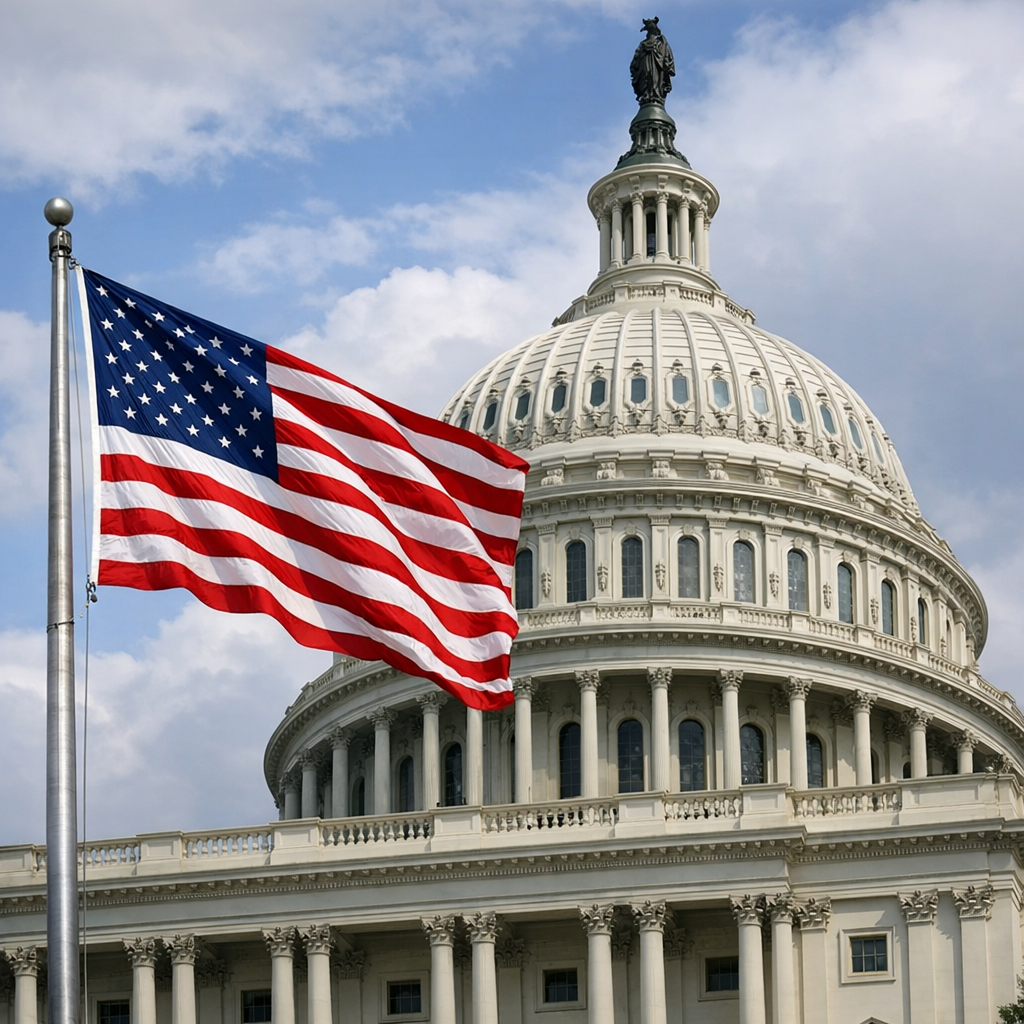
The United States operates as a federal constitutional republic, characterized by a division of powers among three branches: legislative, executive, and judicial. This structure is designed to ensure a balance of power and prevent any single entity from gaining unchecked authority.
Political Structure
The legislative branch, known as Congress, is bicameral, comprising the House of Representatives and the Senate. The executive branch is headed by the President, who serves as both the head of state and government. The judicial branch, led by the Supreme Court, interprets laws and ensures they align with the Constitution.
At the state level, each of the 50 states has its own government, mirroring the federal structure with executive, legislative, and judicial branches. This system allows for a significant degree of autonomy and local governance.
Economic Overview
The U.S. boasts the world’s largest economy, with a nominal GDP of approximately $29 trillion. This market-oriented economy is driven by private individuals and businesses making most economic decisions, while federal, state, and local governments procure goods and services predominantly in the private marketplace.
Key sectors contributing to the U.S. economy include technology, finance, healthcare, and manufacturing. The country is home to numerous multinational corporations and is a leader in technological innovation, particularly in areas like computing, artificial intelligence, biotechnology, and aerospace.
Understanding the political and economic frameworks of the United States provides valuable insights into its role on the global stage and its interactions with international partners.