

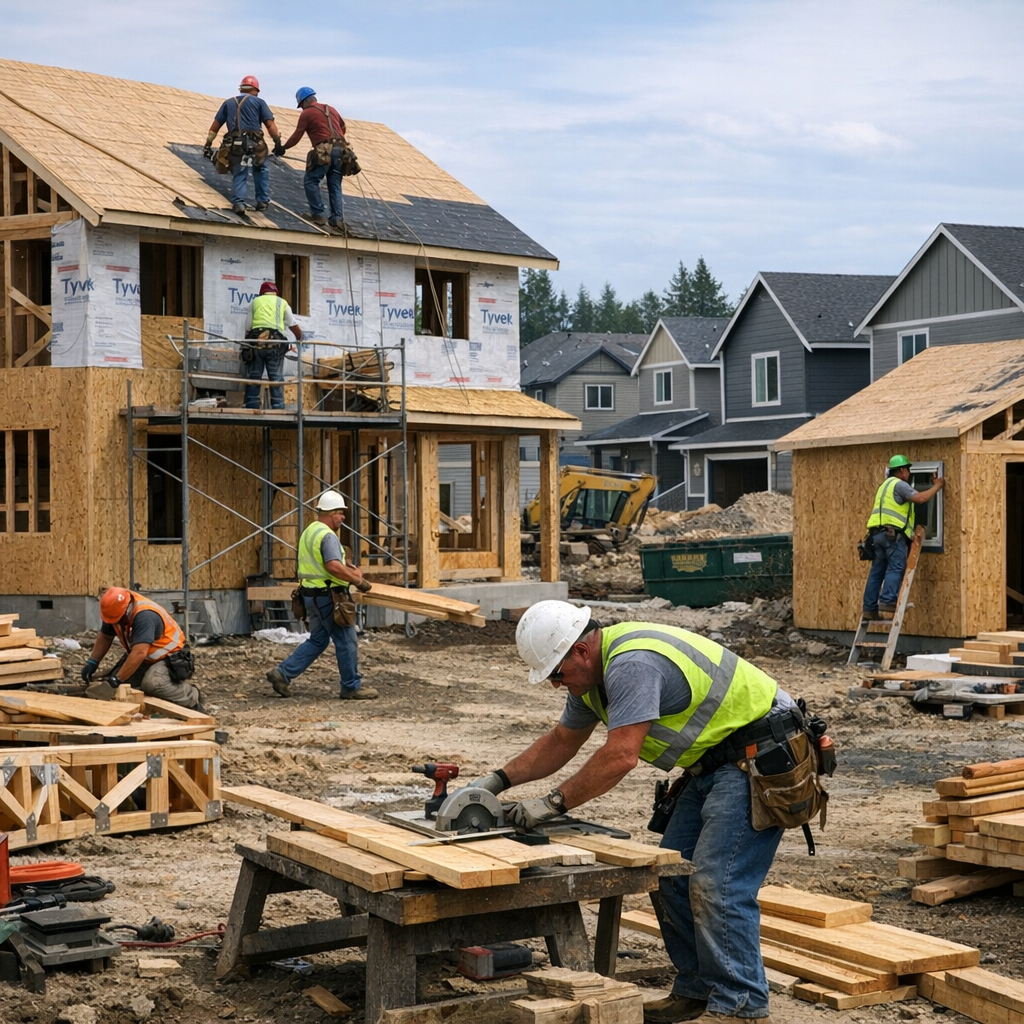
The United States is currently grappling with a significant housing affordability crisis, characterized by soaring home prices and a shortage of available housing. This issue has garnered bipartisan attention, leading to legislative efforts aimed at increasing the housing supply.
Legislative Efforts to Boost Housing Supply
In February 2026, Congress made progress on bipartisan legislation designed to address the housing affordability crisis. Lawmakers from various ideological backgrounds have shown rare unity in supporting federal action to increase the supply of homes. This initiative aims to tackle the persistent underbuilding of housing, a major factor contributing to rising housing costs.
Economic Implications
The housing affordability crisis has broader economic implications. High housing costs can limit consumer spending in other areas, affect labor mobility, and contribute to economic inequality. Addressing this issue is crucial for the overall health of the U.S. economy.
Conclusion
The housing affordability crisis in the United States is a complex issue requiring coordinated efforts from federal, state, and local governments. The recent bipartisan legislative efforts represent a significant step toward increasing the housing supply and making housing more affordable for Americans.