

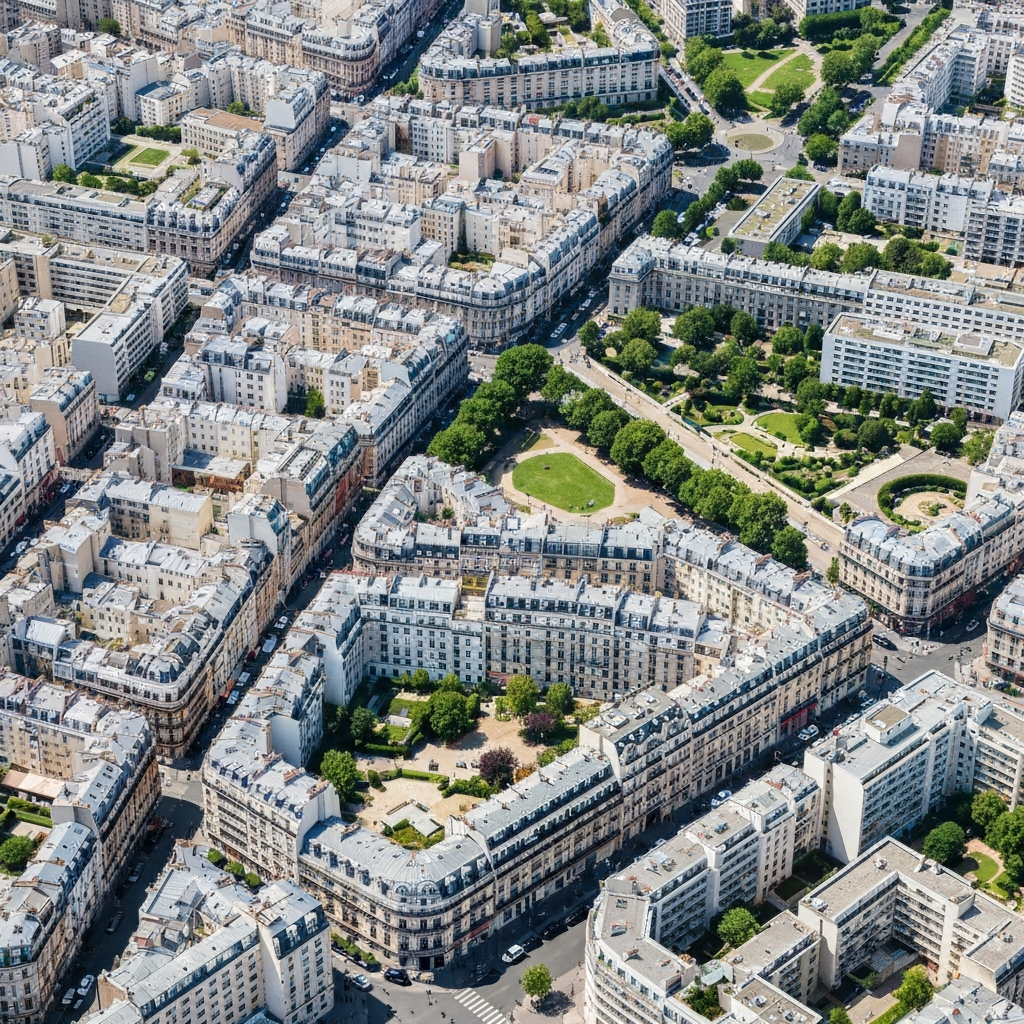
Paris is currently confronting a significant housing crisis characterized by escalating costs and a shortage of available accommodations. This situation has intensified concerns among residents and policymakers alike.
Escalating Housing Costs
The capital remains the most expensive city in France to rent an apartment, with prices continuing to rise. This trend has made it increasingly difficult for many Parisians to secure affordable housing, leading to a growing demand for social housing and rent-controlled units.
Limited Housing Availability
In addition to rising costs, the availability of housing in Paris is constrained. The city’s high population density and limited space for new developments have contributed to a competitive housing market, where demand far outstrips supply.
City Initiatives to Address the Crisis
In response to the housing challenges, the newly elected mayor, Emmanuel Grégoire, has outlined a comprehensive strategy to alleviate the crisis. His plan includes the construction of 60,000 new public housing units and measures to combat vacant housing through new taxes, rent controls, and enhanced tenant protections. These initiatives aim to increase the availability of affordable housing and ensure that existing properties are utilized effectively.
Community Impact and Future Outlook
The housing crisis has profound implications for the Parisian community, affecting social diversity and economic stability. While the city’s initiatives represent a proactive approach to addressing these issues, their success will depend on effective implementation and collaboration between municipal authorities, residents, and other stakeholders. Continuous monitoring and adaptation of these strategies will be essential to meet the evolving needs of Paris’s diverse population.