

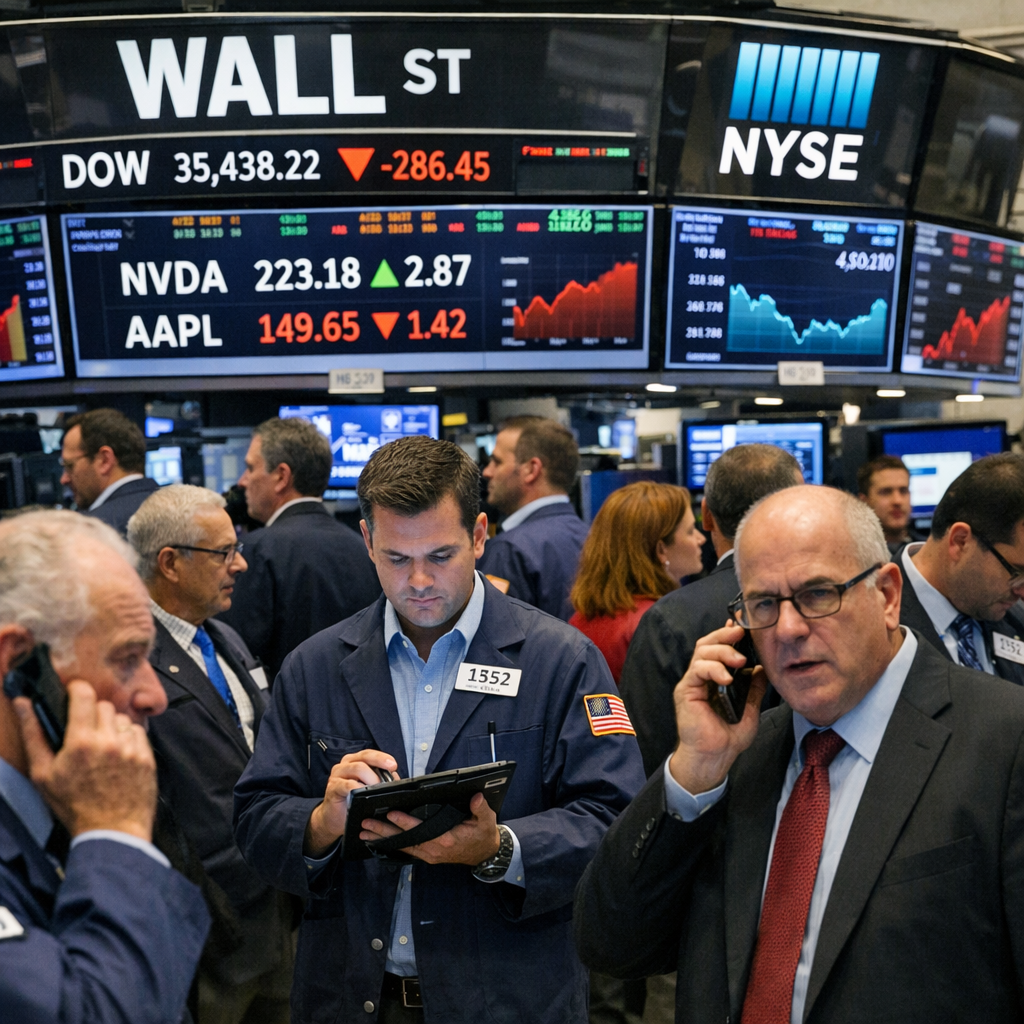
The United States economy is currently experiencing a period of significant change, influenced by various domestic policies and international events. Understanding these dynamics is crucial for comprehending the broader global economic landscape.
Employment Trends
Recent data indicates a slowdown in job creation. In February, the U.S. economy saw a reduction of 92,000 jobs, marking a concerning shift from previous growth patterns. This decline is particularly evident in sectors sensitive to interest rates, such as retail, construction, and manufacturing. The unemployment rate has edged up to 4.4%, reflecting these challenges.
Inflation and Energy Prices
Inflation remains a pressing issue, with the consumer price index rising to 4.2%. A significant contributor to this increase is the surge in energy prices, largely due to ongoing conflicts in the Middle East. The war in Iran has disrupted oil supplies, leading to higher fuel costs and adding pressure to the overall inflation rate.
Monetary Policy and Interest Rates
In response to economic uncertainties, the Federal Reserve has maintained interest rates at 3.75%. This decision aims to balance the need to control inflation while supporting economic growth. However, the effectiveness of this approach is under continuous evaluation as new economic data emerges.
Trade Policies and Global Relations
The current administration’s emphasis on protectionist trade policies has introduced volatility into global markets. The implementation of tariffs and the renegotiation of trade agreements have led to tensions with key trading partners, impacting both import and export activities. These policies have also contributed to fluctuations in the stock market, with indices experiencing notable declines in response to trade disputes.
Technological Investments
On a positive note, there has been a significant increase in investments within the technology sector. Companies are channeling resources into data centers, artificial intelligence, and semiconductor manufacturing. These investments are expected to bolster long-term economic growth and maintain the U.S.’s competitive edge in the global tech industry.
In summary, the U.S. economy is navigating a complex landscape shaped by domestic policies and international events. While challenges such as job market fluctuations and rising inflation persist, strategic investments in technology and careful monetary policies offer pathways toward stabilization and growth.