

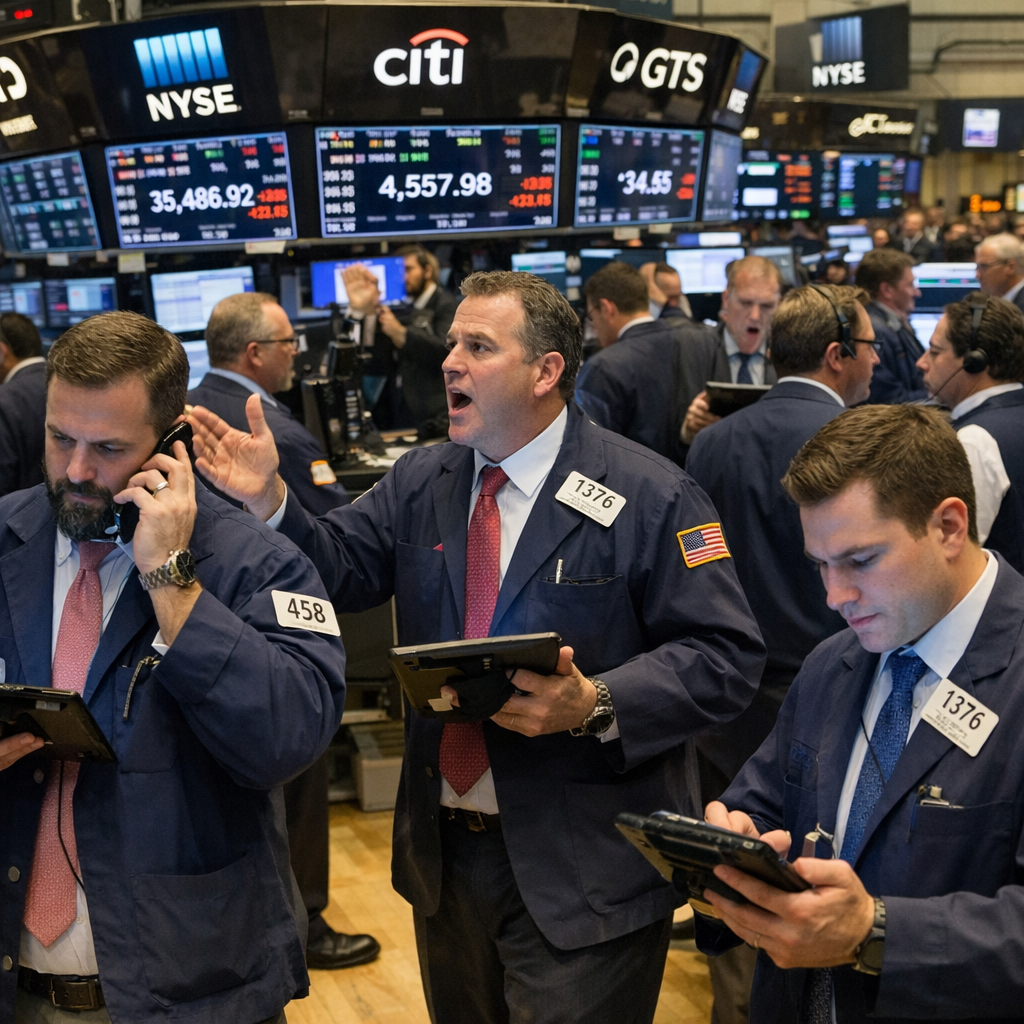
The United States economy continues to demonstrate resilience amid a complex array of challenges, including trade uncertainties, inflationary pressures, and geopolitical tensions. As of May 2026, the economic landscape reflects both strengths and areas of concern.
Economic Growth and Employment
In the first quarter of 2026, the U.S. economy experienced an annualized growth rate of 2%, a slight decrease from previous quarters but still outpacing many Western economies. The labor market remains robust, with April figures indicating the addition of 115,000 new jobs and a stable unemployment rate at 4.3%. This growth suggests a steady recovery trajectory, with the economy creating more jobs since January than in the entirety of 2025.
Trade Policies and Market Volatility
President Donald Trump’s administration has implemented a series of protectionist trade policies, including a universal 10% tariff on nearly all imports. These measures have led to market volatility and uncertainty among businesses and investors. A recent federal court ruling overturned these tariffs, adding another layer of complexity to the trade environment.
Inflation and Energy Prices
Inflation has been a persistent concern, with rates remaining above the Federal Reserve’s 2% target since March 2021. External factors, such as the energy crisis stemming from tensions with Iran, have contributed to rising fuel prices, impacting transportation and agricultural costs. The price of gasoline has risen from $3 to $4.50 per gallon, placing additional strain on consumers.
Federal Reserve and Monetary Policy
The Federal Reserve faces a delicate balancing act in addressing inflation while supporting economic growth. Incoming Chairman Kevin Warsh is confronted with the challenge of aligning monetary policy with the administration’s preferences for rate cuts, while maintaining the Fed’s independence and credibility.
Conclusion
The U.S. economy’s current state reflects a complex interplay of policy decisions, global events, and market dynamics. While certain sectors and regions have benefited from recent policies, others face significant challenges. Continued vigilance and adaptive strategies will be essential for navigating the evolving economic landscape.