

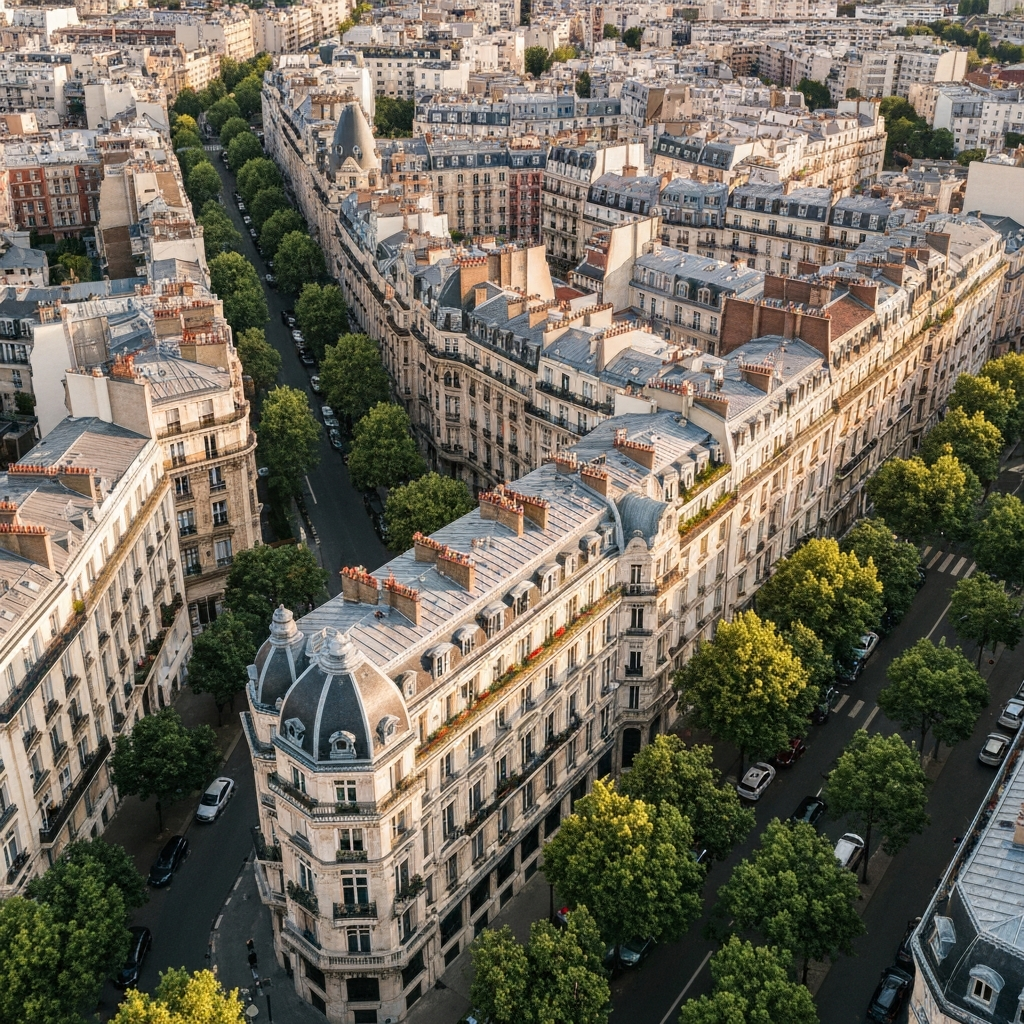
The Paris real estate market is experiencing significant transformations, marked by price stabilization, policy reforms, and evolving buyer preferences. Understanding these dynamics is crucial for those looking to navigate the housing landscape effectively.
Market Stabilization and Price Trends
After a period of fluctuation, the Paris property market has reached a new equilibrium. As of early 2026, the average price per square meter stands at approximately €10,200, reflecting a slight increase of 1 to 2% from mid-2024 lows. Transaction volumes have also rebounded, with annual sales reaching around 32,000, indicating renewed buyer confidence. This stabilization follows a correction phase between 2022 and 2024, during which prices declined by 8 to 12% depending on the arrondissement. Notably, properties with favorable energy performance and minimal defects have maintained their value better than those requiring significant renovations.
Policy Initiatives Addressing Housing Availability
In response to the housing shortage, Parisian authorities have implemented measures to increase the availability of residential properties. A significant initiative involves converting over 8,200 vacant office spaces into homes, with a focus on student accommodations and social housing. This project aims to repurpose underutilized commercial properties to meet housing demands.
Additionally, the city plans to nearly double the vacant home tax by 2027, targeting the 20% of homes that are currently unoccupied. This policy is designed to encourage property owners to rent or sell vacant units, thereby increasing the housing supply.
Opportunities for Buyers and Renters
For prospective buyers, the current market conditions present opportunities, especially for properties that are well-located and energy-efficient. Mortgage rates have stabilized between 3.0 and 3.5% over 20 years, enhancing purchasing power.
Renters may also benefit from the increased housing supply resulting from policy initiatives. The conversion of office spaces and the push to reduce vacant homes are expected to alleviate some of the pressure in the rental market, potentially leading to more options and stabilized rental prices.
Conclusion
The Paris real estate market is undergoing a period of stabilization and policy-driven change. For those considering buying or renting in the city, staying informed about these developments is essential. Engaging with local real estate professionals and monitoring market trends can provide valuable insights to make informed decisions in this evolving landscape.