

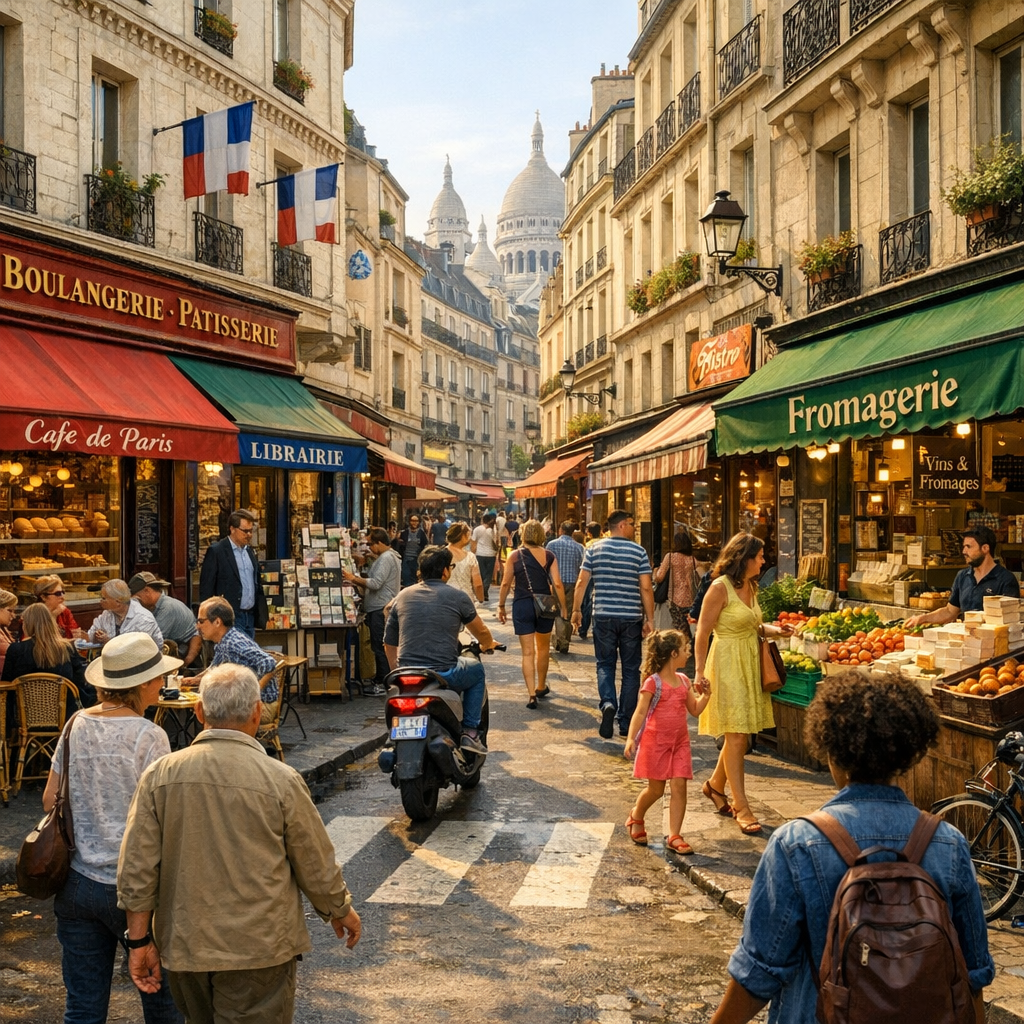
Paris, renowned for its vibrant commercial landscape, is experiencing a period of significant transformation. While the city maintains a high density of shops—28 per 1,000 residents—the sector faces challenges such as increasing vacancy rates and the impacts of overtourism. However, a surge in entrepreneurial activity and adaptive strategies offer a promising outlook.
Entrepreneurial Dynamism
In 2025, Paris witnessed the creation of nearly 120,000 new businesses, marking a 19% increase from the previous year. Notably, over half of these were micro-enterprises, reflecting a robust entrepreneurial spirit. The service sector dominated these new ventures, accounting for approximately 70% of the total, with commerce and industry comprising the remainder. This trend underscores the city’s adaptability and the appeal of its market to budding entrepreneurs.
Challenges in Retail
Despite this entrepreneurial vigor, the retail sector faces hurdles. The vacancy rate for commercial spaces rose to 10.9% in 2023, surpassing the critical 10% threshold in most arrondissements. Factors contributing to this include high rents, real estate speculation, and the evolving nature of tourism. For instance, the Boulevard Saint-Michel, once a bustling shopping hub, now grapples with an 18% vacancy rate, highlighting the pressures on traditional retail areas.
Impact of Overtourism
Neighborhoods like Montmartre exemplify the effects of overtourism. Residents express concerns over the ‘Disneyfication’ of their community, citing overcrowding, noise, and a shift from local businesses to tourist-centric shops. This transformation challenges the balance between preserving local character and catering to the tourism economy.
Adaptive Strategies and Support
In response to these challenges, the City of Paris has implemented measures such as ‘commercial protection zones’ and the Paris Commerces initiative to preserve local retail. Additionally, the rise of businesses catering to emerging consumer preferences, like second-hand stores and bicycle workshops, indicates a shift towards more sustainable and community-focused commerce.
In conclusion, while Paris’s commercial sector faces notable challenges, the city’s entrepreneurial dynamism and adaptive strategies provide a foundation for resilience and future growth.