

By Camille Lefevre
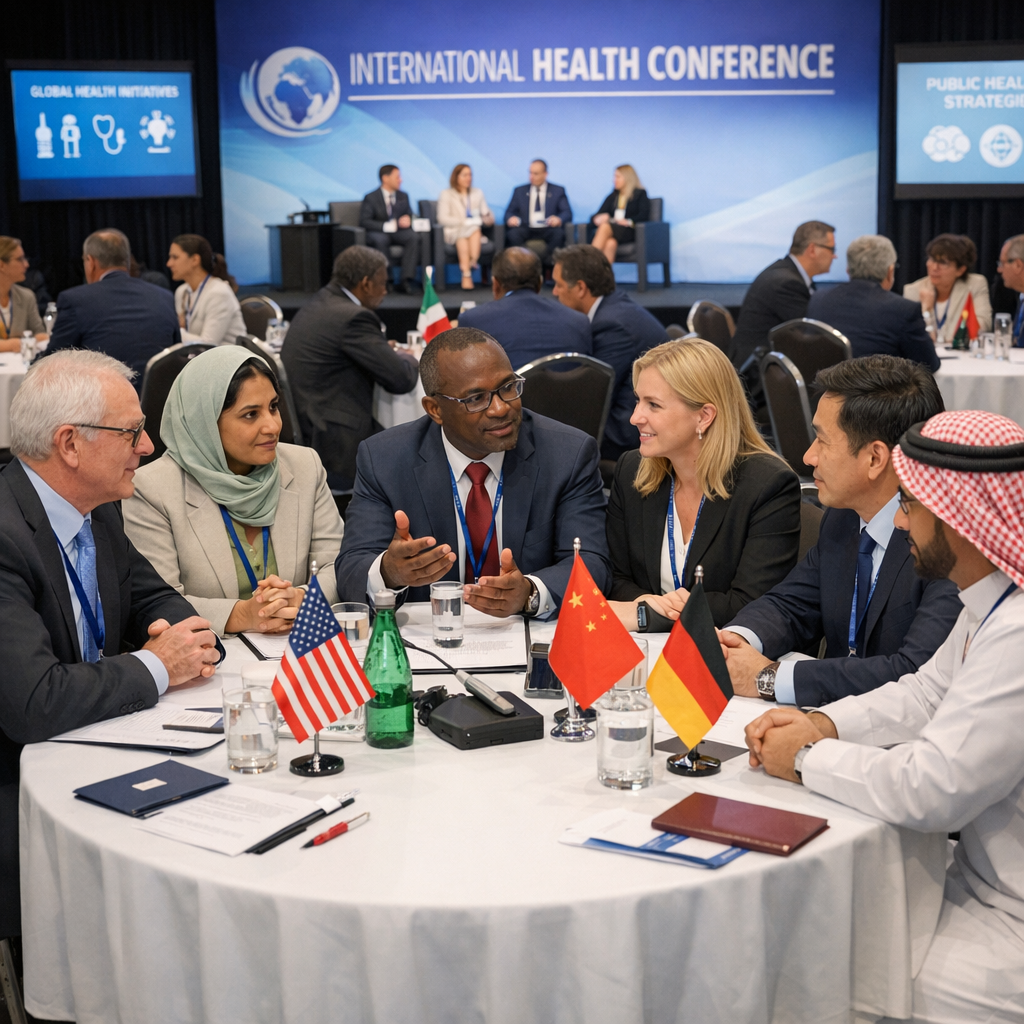
When health becomes diplomatic strategy, nations gain tools not only for treating disease, but for building security, stability, and international justice. Global health diplomacy (GHD) refers to the efforts—by governments, NGOs, international agencies, and civil society—to align foreign policy with health goals. In an interconnected world, health threats and health inequities are no longer confined by borders.
What is Global Health Diplomacy?
Health diplomacy encompasses negotiation and cooperation to tackle challenges including pandemics, vaccine access, disease surveillance, and antimicrobial resistance. It also ties into trade, human rights, aid, and environmental policy. Actors range from the World Health Organization to local health ministries, from community groups abroad to national foreign affairs departments. These actors negotiate both formal treaties and informal arrangements that shape health outcomes globally.
Why It Matters Now
The past few years illustrated how fragile global systems are in face of health emergencies. COVID-19, emerging variants, and other infectious threats highlighted the need for robust, equitable global response mechanisms. Nations have realized too late that health underpins economic and political stability. Efforts like global health reform discussions and regional workshops strengthen states’ ability to engage with multilateral health governance. For example, several countries have increased their capacity for strategic health diplomacy ahead of major WHO meetings.
Challenges Along the Way
- Funding and equity: While many donor nations and foundations provide support, resources often fall short of addressing the needs of low-income regions. Vaccine inequity and unequal access to essential medicines remain persistent concerns.
- Political tensions and trust deficits: In times of diplomatic friction, cooperation on health can suffer. Transparency, data sharing, and coordination become harder when states perceive health as an arena of competition.
- Fragmented governance: With multiple actors—UN agencies, NGOs, private sector—overlapping mandates and different capacities can undermine coherent global strategies.
- Embedding health into foreign policy: More countries are *formally* including health security, pandemic preparedness, and health equity in their diplomatic agendas.
- Strengthening multilateral platforms: Ongoing reform efforts seek to enhance WHO’s role, improve early warning systems, and ensure inclusive participation especially for nations often sidelined.
- Promoting partnerships: Bringing together governments, civil society, academia and private sector—drawing on shared expertise and resources—for joint initiatives.
Opportunities & What’s Next
To build a more effective system, several shifts are underway:
Global health diplomacy may seem abstract, but its outcomes are tangible: fewer lives lost, disruptions to trade avoided, trust between nations preserved, and shared challenges addressed together. In Paris or in New Delhi, in Geneva or in Kigali, health diplomacy matters—because when health falters anywhere, stability falters everywhere.