

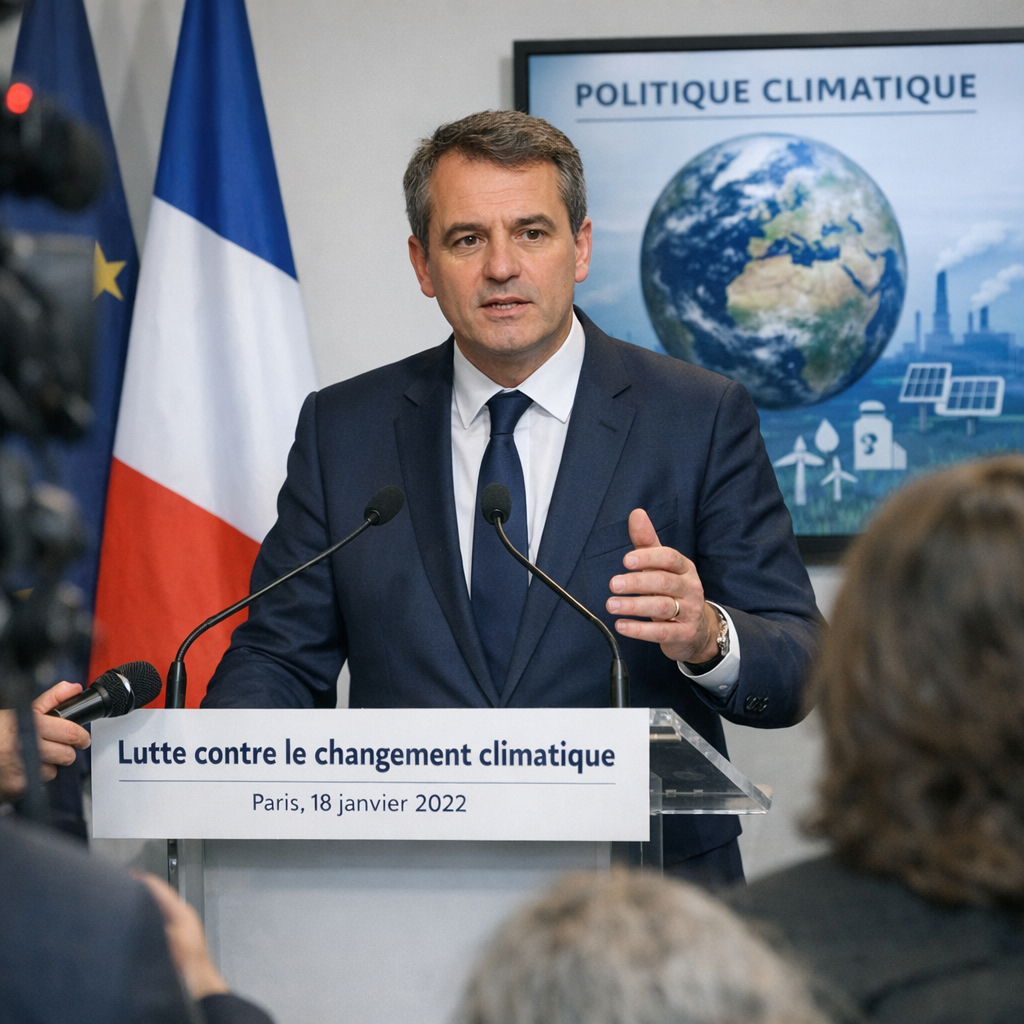
France has long positioned itself as a leader in the global fight against climate change. The 2015 Paris Agreement, a landmark accord aiming to limit global warming, was a testament to this commitment. However, recent developments have raised questions about the nation’s ability to meet its ambitious targets.
National Strategies and Commitments
In response to escalating climate challenges, France unveiled its third National Low-Carbon Strategy (SNBC) in July 2026. This roadmap sets forth objectives to phase out coal by 2027, oil by 2045, and fossil gas by 2050. Key measures include promoting electric vehicle adoption, tripling bicycle usage, enhancing home energy efficiency, and increasing the use of decarbonized hydrogen and carbon capture technologies. The strategy also addresses France’s international carbon footprint for the first time.
Challenges and Criticisms
Despite these initiatives, the French High Council on Climate (HCC) has expressed concerns about the nation’s progress. In its annual report, the HCC highlighted that current policies are insufficient to achieve carbon neutrality by 2050 or to mitigate escalating climate risks. The report emphasized that adaptation limits are already being reached in sectors like agriculture, water supply, and labor conditions.
Adding to the challenges, the French government announced significant cuts to climate change adaptation funding in June 2026. The “Green Fund,” a crucial component of France’s climate adaptation plan, saw its budget reduced from €2.4 billion in 2024 to €837 million in 2026, with an additional €162.5 million frozen. This move drew criticism from environmental advocates who argue that reducing adaptation resources amid rising climate risks reflects misguided budgetary prioritization.
Legal and Political Pressures
France is also facing legal action for allegedly not meeting its “fair share” in reducing global greenhouse gas emissions. Advocacy group Notre affaire à tous brought the case to the Conseil d’Etat, accusing the government of delaying emissions reductions and ignoring legal obligations under principles of equity and historical responsibility.
On the political front, Environment Minister Monique Barbut has encountered increasing isolation amid a confluence of environmental and political crises. As France endured a historic heatwave, Barbut struggled to assert her climate vision against a right-wing majority dismantling environmental regulations in a controversial agricultural bill. Internal tensions and diminishing governmental support for environmental initiatives have further weakened her position.
Looking Ahead
As France grapples with these challenges, the upcoming presidential debates may prompt a societal reckoning on climate action. The nation’s ability to balance ambitious global commitments with domestic realities will be crucial in determining its role in the global climate arena.