

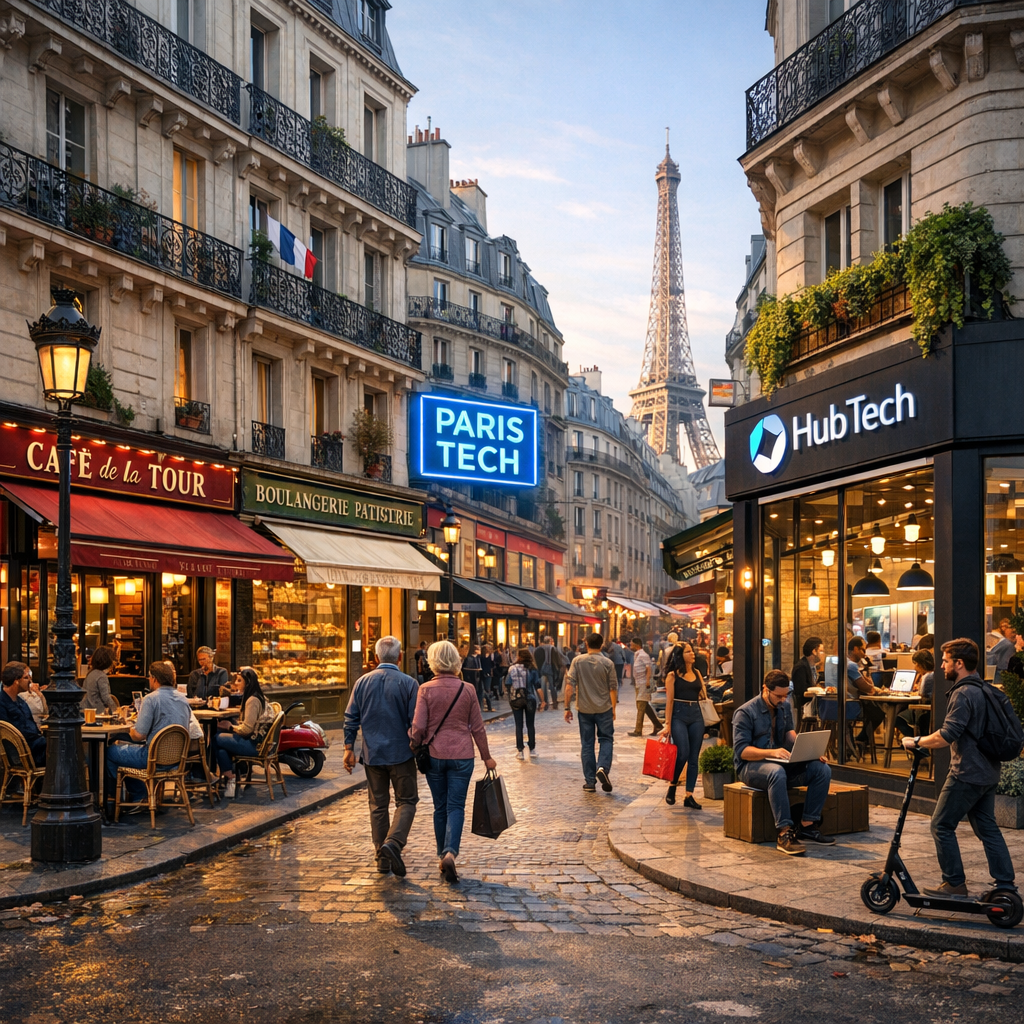
Paris, renowned for its vibrant commercial scene, is witnessing significant transformations in its business landscape. Recent data indicates a surge in entrepreneurial activity, with 119,769 new enterprises established in 2025, marking a 19% increase from the previous year. Notably, over half of these are micro-enterprises, reflecting a growing trend towards small-scale, agile business models.
However, this entrepreneurial boom coexists with challenges for traditional retailers. The city’s commercial density remains high, boasting 28 shops per 1,000 residents. Yet, certain areas, such as Boulevard Saint-Michel, are experiencing elevated vacancy rates, reaching 18%. Factors contributing to this include escalating rents, real estate speculation, and evolving consumer behaviors favoring online shopping and fast fashion.
In response, various initiatives have been launched to support local businesses and entrepreneurs. The City of Paris introduced a tax on vacant retail spaces in June 2025, aiming to incentivize property owners to lease out premises and revitalize commercial areas. Additionally, platforms like pousses.paris offer tailored support to entrepreneurs, promoting sustainable and socially responsible business practices.
Educational institutions are also playing a pivotal role. HEC Paris’s Innovation & Entrepreneurship Institute provides comprehensive programs for startups at various stages, while Université Paris Dauphine-PSL’s House of Entrepreneurship offers resources ranging from pre-incubation support to mentorship, fostering a robust entrepreneurial ecosystem.
Despite the challenges, Paris’s business environment remains dynamic. The interplay between emerging enterprises and established retailers continues to shape the city’s economic fabric, underscoring the resilience and adaptability of its commercial sector.