

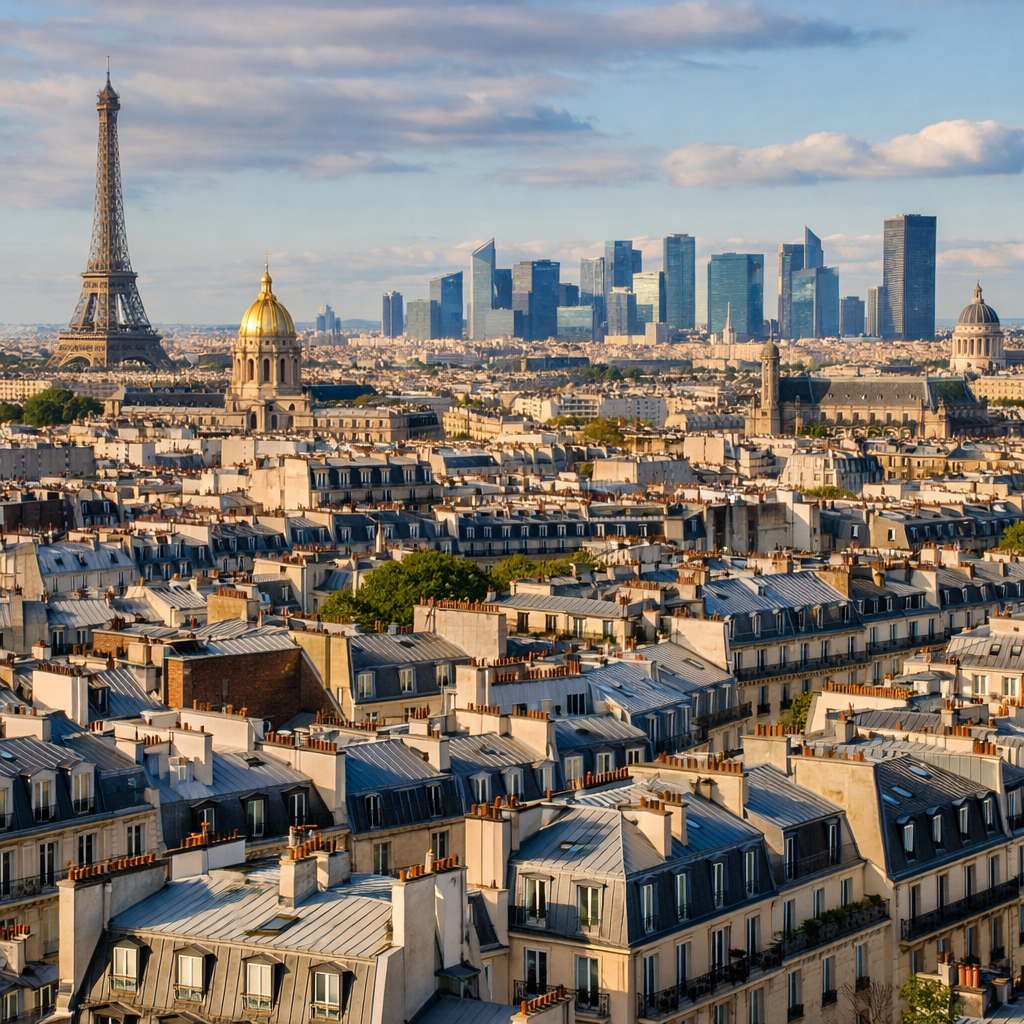
Paris’s real estate market is experiencing notable shifts, with price stabilization, robust rental demand, and proactive development initiatives shaping the current landscape.
Market Trends: Stabilization and Selectivity
After a period of fluctuation, the Parisian property market is showing signs of stabilization. Transaction volumes have increased modestly compared to previous years, indicating renewed confidence among buyers. However, the market remains selective, with well-located and well-presented properties attracting more interest. This trend is particularly evident in central neighborhoods such as Saint-Germain-des-Prés and the Marais, where demand continues to outpace supply.
Rental Market: High Demand Amid Limited Supply
The rental sector in Paris remains under significant pressure due to a persistent imbalance between supply and demand. Vacancy rates are extremely low across most arrondissements, driven by a diverse tenant base that includes young professionals, international students, and expatriates. Neighborhoods like the 10th (around République and Canal Saint-Martin), 11th (Bastille and Oberkampf), and 5th (Latin Quarter) arrondissements are particularly sought after for their accessibility and vibrant community life.
Local Development: Converting Vacant Spaces
In response to the housing shortage, the French government has initiated projects to convert vacant office spaces into residential units. Announced in April 2026, this initiative aims to transform over 8,200 empty offices into homes, including 3,900 student units and 50% social housing. These projects are strategically located near Grand Paris Express metro stations to enhance connectivity and urban integration.
Policy Measures: Addressing Vacant Properties
To further alleviate the housing crisis, Paris has implemented measures targeting vacant homes. The city plans to nearly double the vacant home tax by 2027, potentially reaching 30% of a property’s rental value after one year of vacancy and 60% after two years. This policy aims to encourage owners to rent or sell unoccupied properties, thereby increasing the available housing stock.
Conclusion
Paris’s real estate market is navigating a period of cautious recovery and strategic development. While challenges persist, particularly in balancing supply and demand, ongoing initiatives and policy measures reflect a concerted effort to create a more dynamic and accessible housing environment for residents and investors alike.